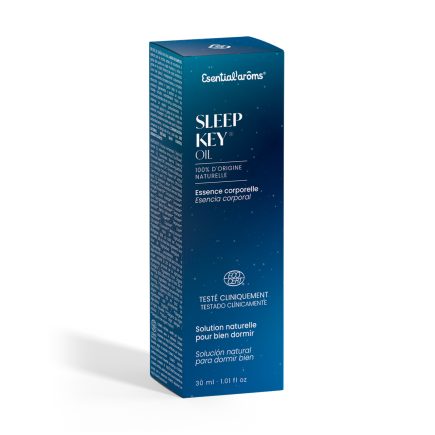
Skin-massage: dilute 1 drop of essential oil for 2 ml of carrier oil or similar (e.g.: add 15 drops of E.O. to 30 ml of carrier oil). Shake before use and apply to the skin. Avoid contact with eyes and mucous membranes. Unless prescribed otherwise by a doctor, it is not advisable to apply it directly to the skin.
· Essential oils should always be used dissolved in an appropriate excipient or carrier oil, which can also have cosmetic purposes (plant oil, macerated plant, base cream, etc.). Only some pure essential oils can be applied directly onto the skin by an informed consumer.
· For cosmetic use, generally the proper amount of drops of essential oil to dilute in the carrier oil is about 1 drop per 2 ml of carrier oil (normal dilution).
· It is important to ensure essential oils are properly dissolved in the carrier oil. For that, the bottle should be shaken before each use.
· If you have never used essential oils before, we recommend carrying out a TEST*. This means applying a small amount of the prepared mixture on the inner arm and observing the reaction on the skin over 10-15 minutes. If there is no reaction, you can use the oil as needed.
· For an optimal use of the dropper bottle, place the bottle horizontally.
WHAT TO AVOID WHEN USING ESSENTIAL OILS
· Essential oils should not be applied directly to the skin, as previously described.
· It is necessary to avoid contact with mucous membranes, eyes and other sensitive areas (wounds, genital area, etc.). In case of contact, it is recommended to clean the area with a plant oil.
· As a general precaution, essential oils should not be used during pregnancy and breastfeeding.
· Avoid sun exposure immediately after applying essential oils, risk of photosensitization. In case of citrus essential oils (lemon, mandarin, sweet orange, grapefruit and bergamot), you should wait 6 hours before sun exposure.
· Avoid the use of essential oils in children under 3 years.
· Essential oils should not be injected intramuscularly or intravenously.
TOPICAL USE
Mix 2 drops of bergamot essence with 2 drops of a virgin vegetable oil (sweet almond, macadamia, apricot kernel, or sesame) in the palm of your hand and massage the inner wrists 2–3 times a day.
ORAL USE
Not applicable
INHALATION USE
Place 1 ml of bergamot essence in an essential oil diffuser or humidifier and diffuse in the room where the person is located. You can also add 10 drops of bergamot essence to an inhaler stick and take 3 deep inhalations per nostril, 2–4 times a day.
DILUTION
Normal / concentrated / mild / very mild
PRECAUTIONS
· Photosensitizing****: wait 6–8 hours before sun exposure. Preferably avoid use in summer.
· Overdosing via skin with citrus peel essences may interfere with anticoagulant use. In such cases, use a very mild dilution.
· Do not use undiluted on the skin; always dilute in a carrier oil.
· Pregnancy: use only locally (not on the abdomen) and in diffusion.
· Breastfeeding: apply locally immediately after nursing.
· Toxicological data – LD50: oral: 5.00 / dermal: 5.00.